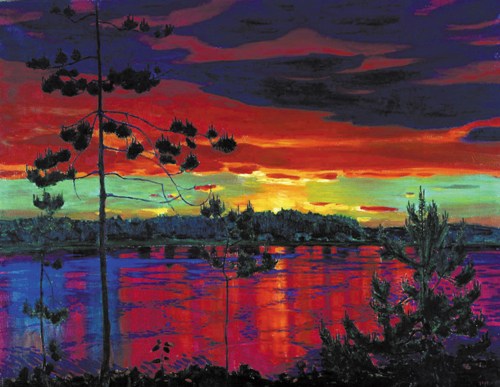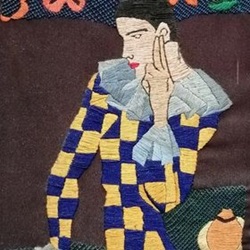
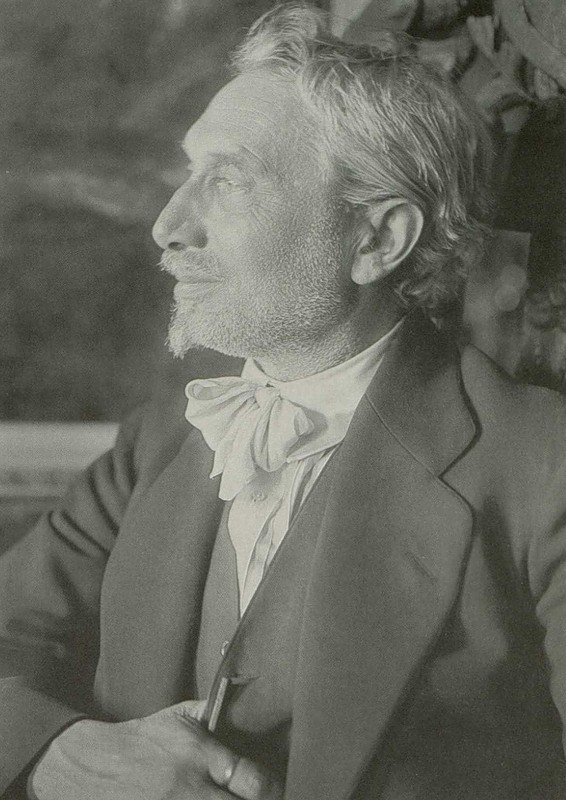
Russian painter Leonid Osipovich Pasternak 1862-1945
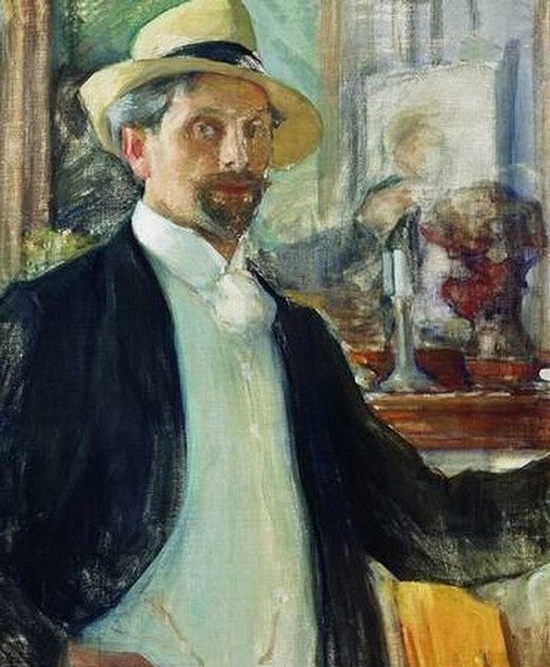
Russian painter Leonid Osipovich Pasternak
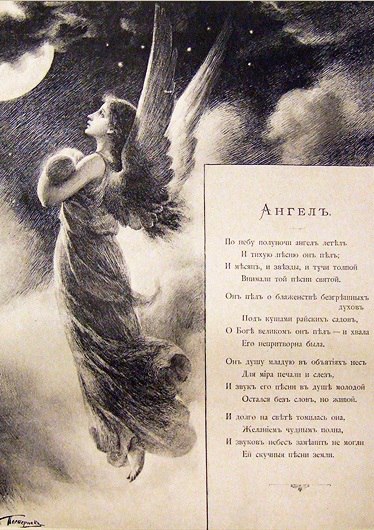
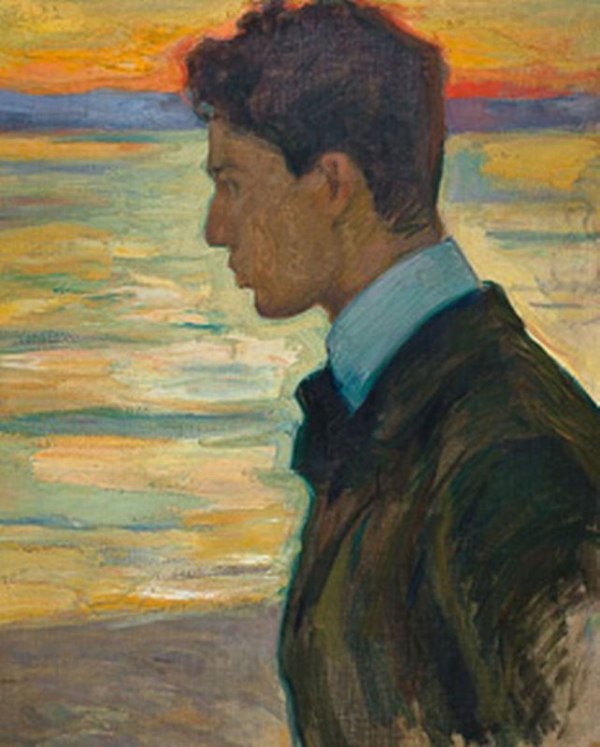
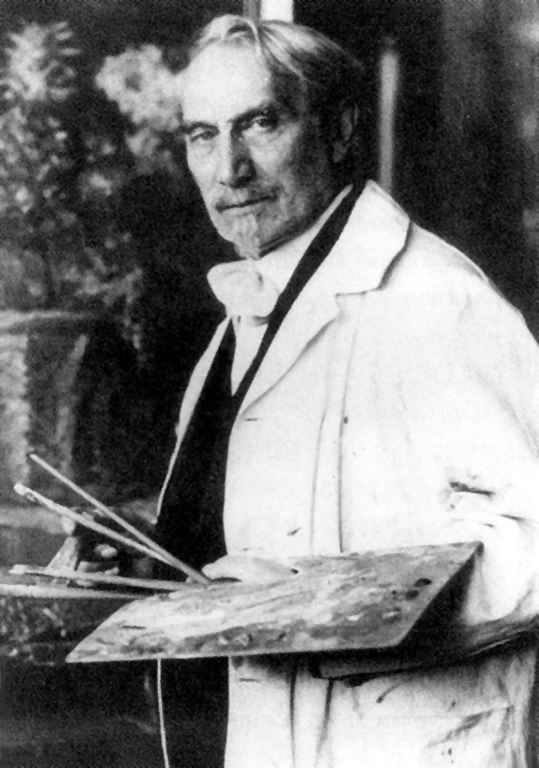
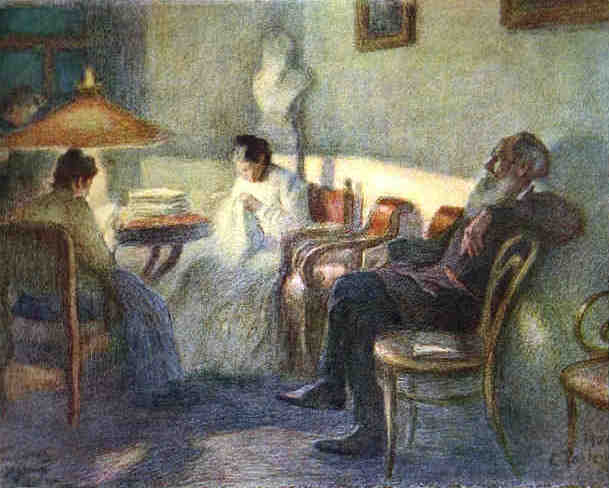
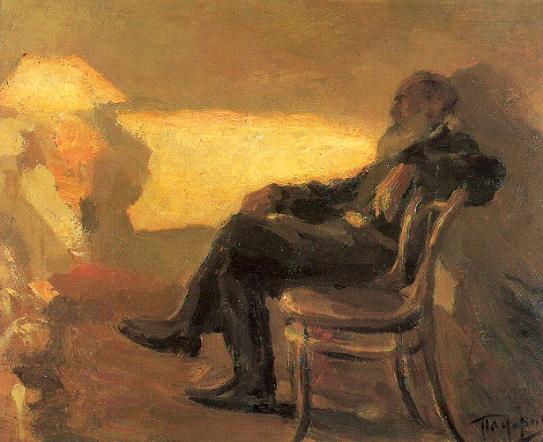
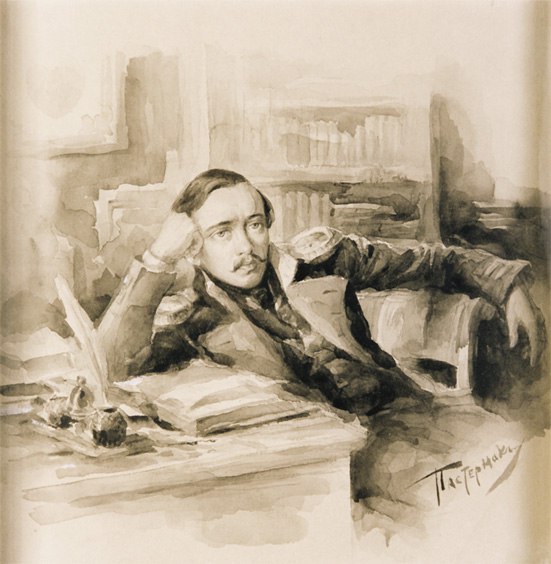
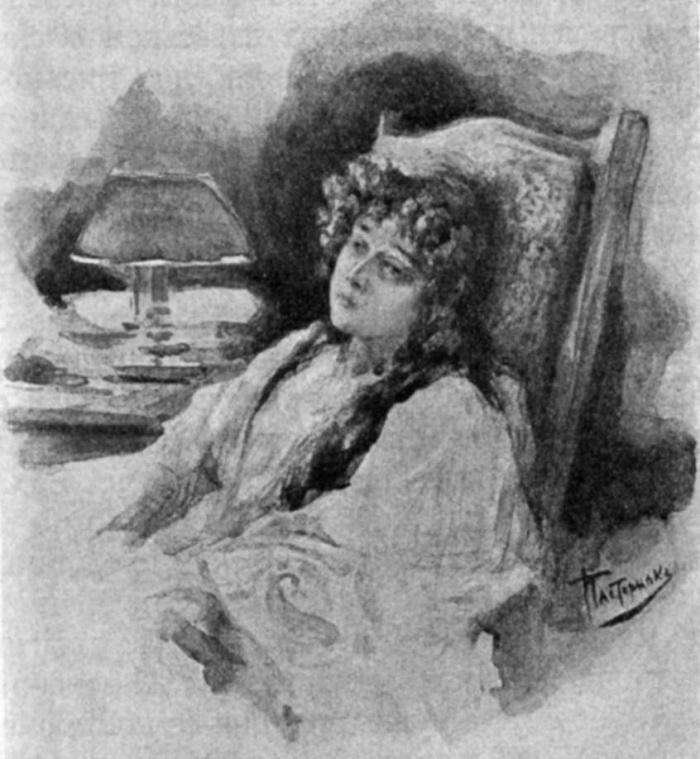
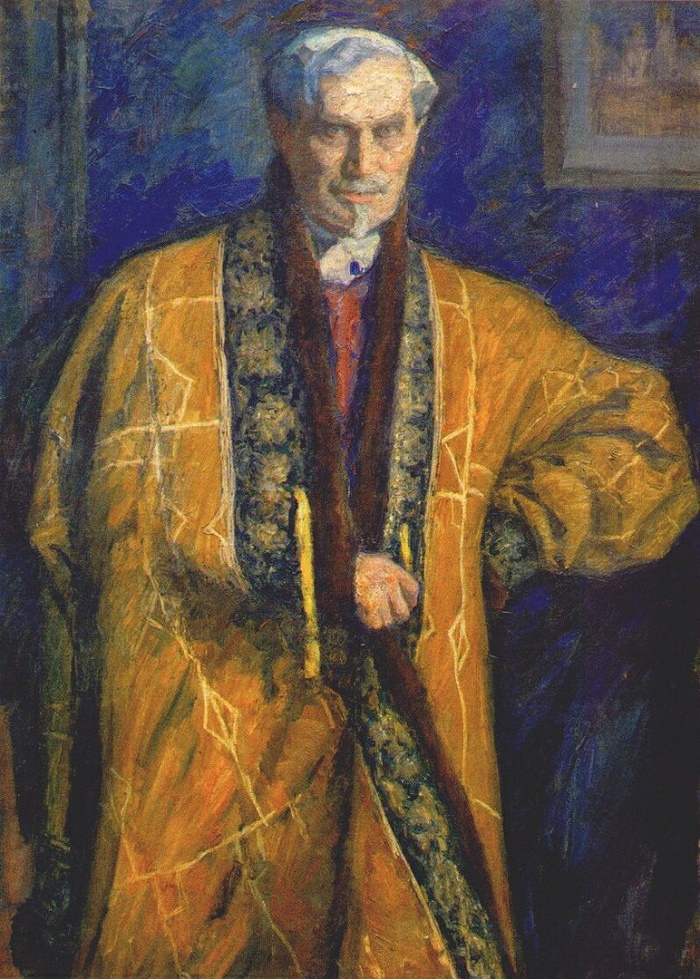
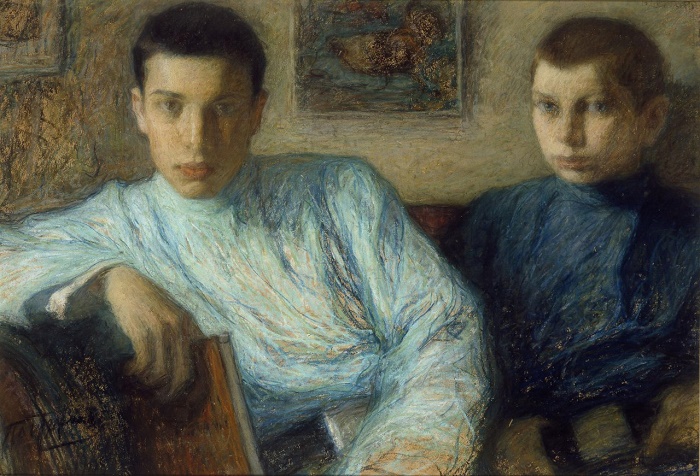
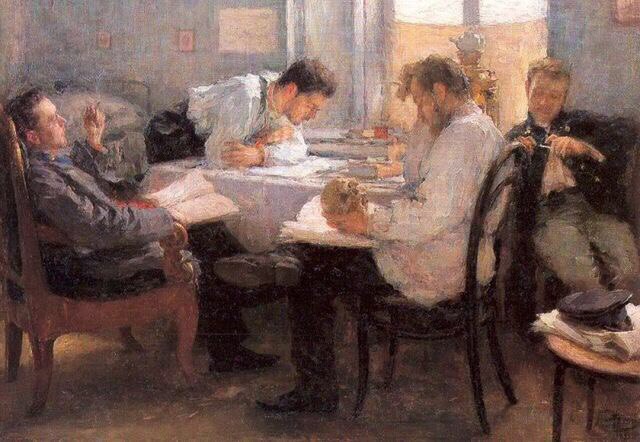
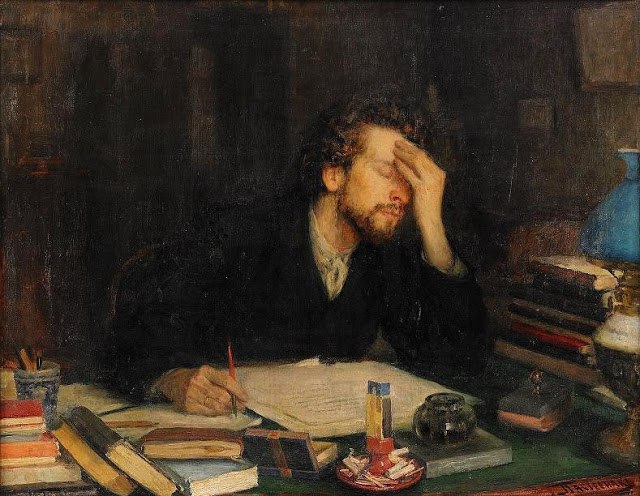
Rubinstein and Scriabin, Tolstoy and Gorky, Mechnikov and Einstein posed for him. He was famous for being a brilliant portraitist and master illustrator. His paintings are in the world’s largest museums and in galleries of hundreds of collectors. However, for many decades the name of Leonid Pasternak was forgotten. Perhaps the genius of his father overshadowed his brilliant son – the poet Boris Pasternak.
Born in April 1862 in Odessa, Leonid Pasternak was the youngest child in a large Jewish family, one of the oldest and most respected Jewish families, which comes from King David. Apparently, from an excess of feelings, his parents named him just two names – Abram and Isaac. However, the relatives called him exclusively Leonid. On this occasion, the artist even had to write explanations in official institutions. By the way, the name originally sounded not Pasternak, but Posternak.
Parents dreamed that the son would become “an apothecary, or a doctor, or, at worst, “intercede on business”, as the artist later recalled. But most of all the boy aspired to draw, and it was necessary to do it secretly from the daddy with mum. Meanwhile, the most accessible tool was coal.
The first success came at the age of six. The janitor instructed the talented little boy to sketch several paintings on hunting subjects. The customer paid five kopecks for each painting and decorated them with a janitor’s. Subsequently, Leonid Pasternak will call this janitor “my Lorenzo de ‘Medici.” By the way, the love for sketches of coal and pencil will remain with Leonid Pasternak for life.

However, parents wanted to see their son as a doctor or a lawyer. Leonid Pasternak goes to Moscow University for medical faculty. Student Leonid Pasternak could not overcome his aversion to corpses, but he studied the part of the anatomy that the artist needs. Then he moved to the Faculty of Law of Moscow University, and then to Odessa University, to be exact, the Novorossiysk University. Odessa University (the only one in the empire) gave the right to students to go abroad. Leonid took advantage of this right and went to enter the Munich Royal Academy. And passed under the first number! He studied in the class of the famous draftsman Ludwig von Herterich.
His experiments in drawing were so good that the teacher did not correct them and allowed to take them home. In Moscow, Pasternak’s work became immediately popular among collectors. Pasternak graduated from The Munich Academy of Arts with a gold medal and the same year received a diploma of a lawyer – external.
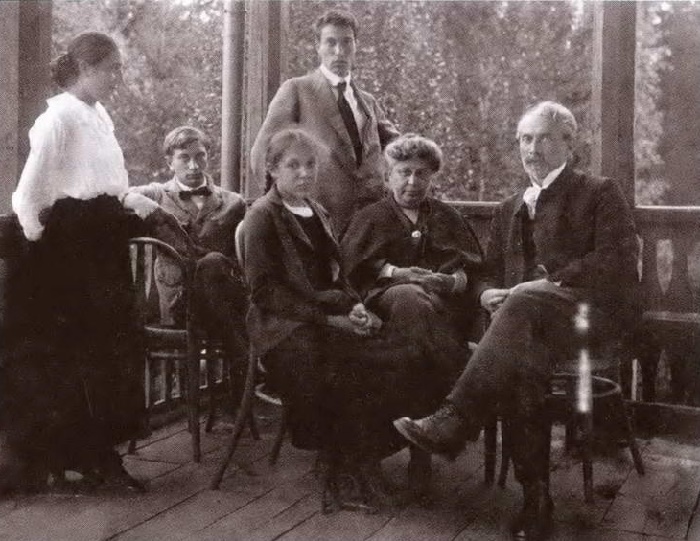
Soon, Pasternak married the famous pianist Rosa Kaufman. A young family settled in Moscow. And a year later the first child was born – the future Nobel Prize winner, writer Boris Pasternak. Then the son Alexander and two daughters appeared, Josephine and Lydia.
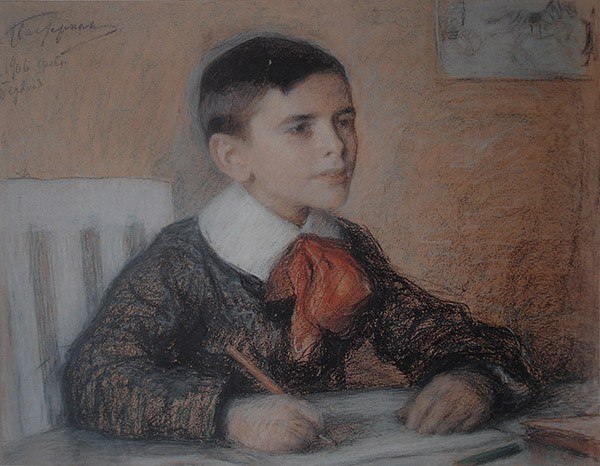
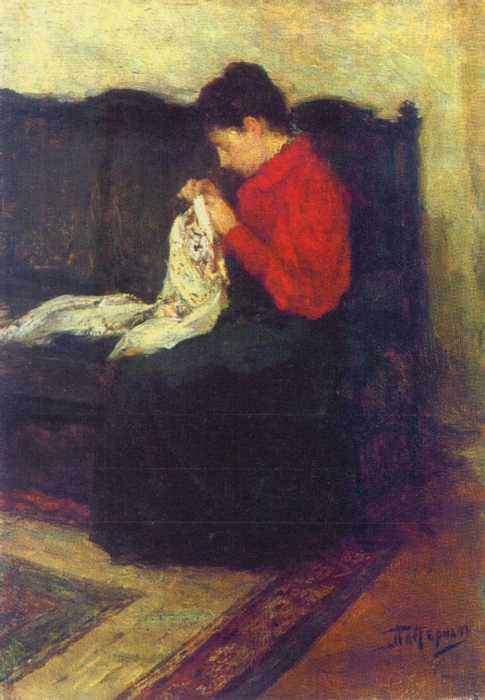
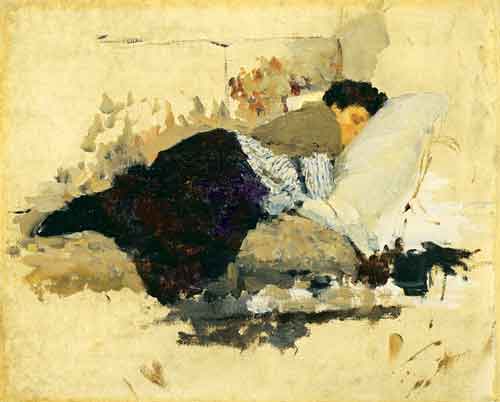
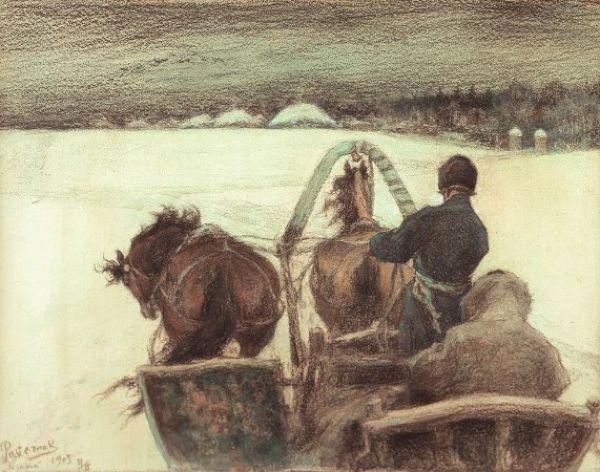
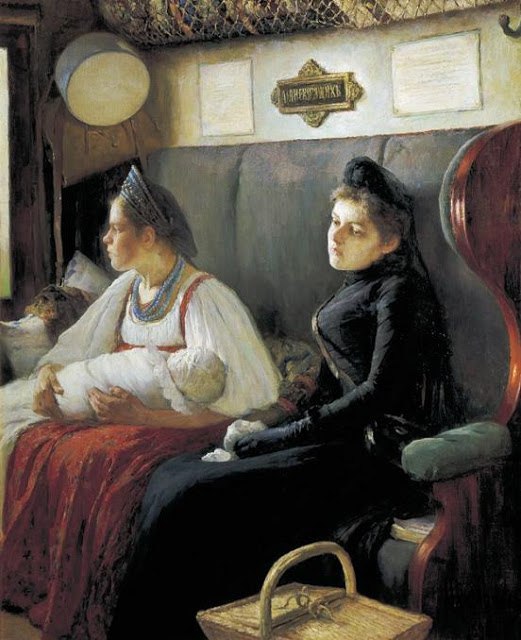
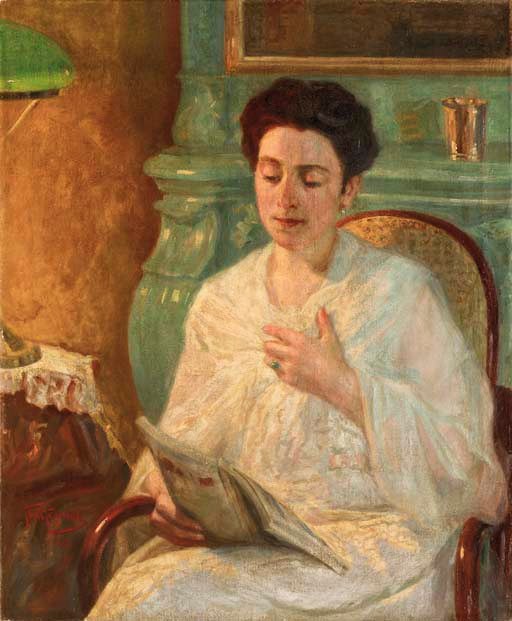
Family portraits and sketches became Leonid Pasternak’s favorite theme. They conveyed the atmosphere of warmth and comfort, reigning in the family, also sold well. About Leonid Pasternak joked that his children “feed” their parents!
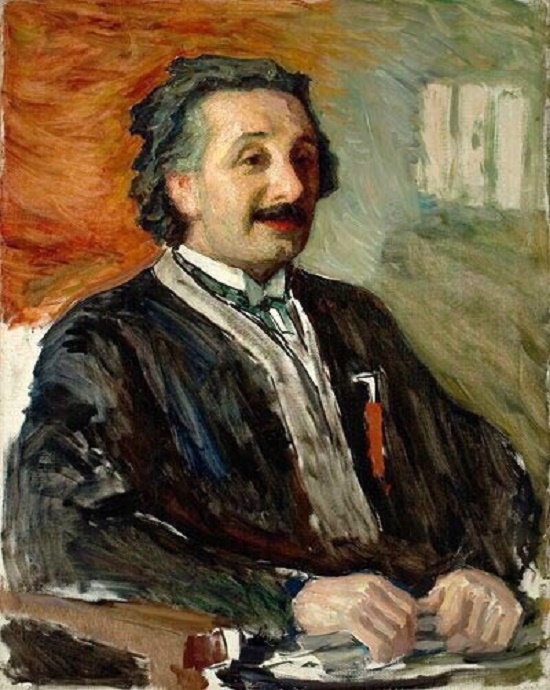
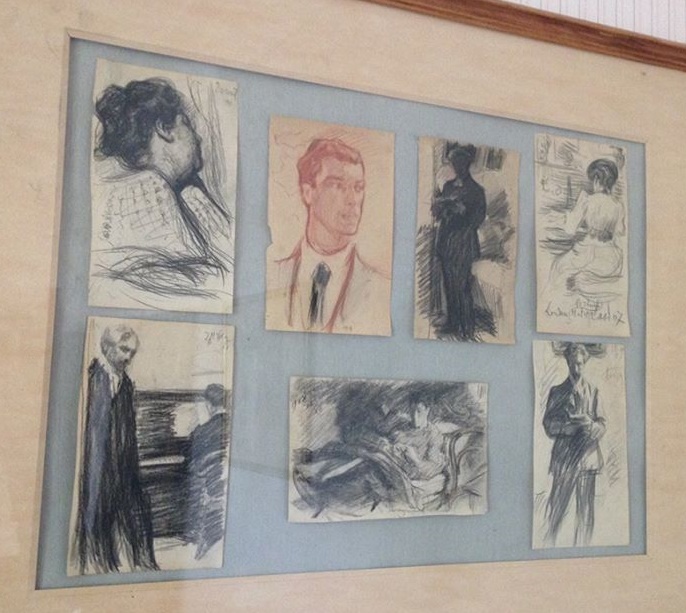
Leonid Osipovich created a series of portraits of Albert Einstein. They met in Berlin at the Soviet embassy. There they went to listen to a concert, a lecture, watch a short theatrical performance or take part in a casual conversation. Once in this embassy Rosa Pasternak played the piano, and someone asked Einstein if he could accompany her. However, Einstein resisted. He said: “I will not risk playing after such a master!”. “Yet Rosa persuaded him. And he did play, and she accompanied him. Fortunately, Leonid Pasternak sketched it. Thus, a drawing appeared, where Einstein was playing the violin. Einstein and Pasternak maintained contact for many years. The result was a series of portraits of the great scientist.
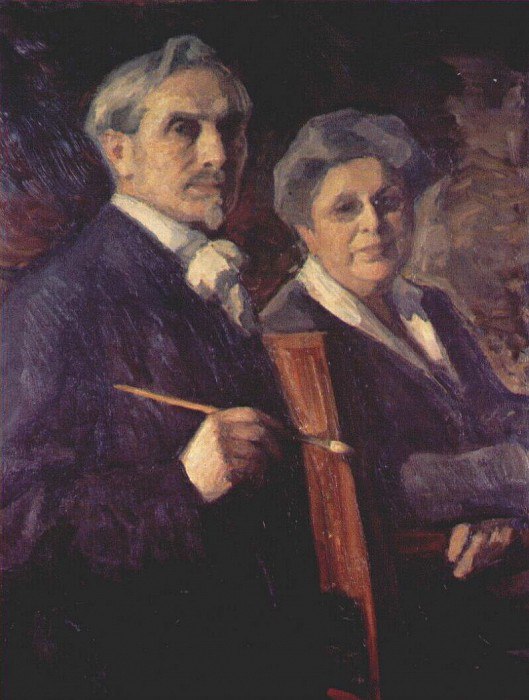
Noteworthy, Pasternak is one of the founders of Lenininian. He was the first of the artists of the academic direction to capture Lenin and other leaders of the revolution, making sketches at congresses, presidiums and congresses. However, later many of these portraits, like their models, were destroyed by the new authorities.
Pasternak with his wife and daughters in 1921 went to Germany, according to the official version – for treatment. Unofficially joked that after creating a series of portraits of the leaders of the revolution, he decided to stay away from them. The artist worked a lot. In 1923, Pasternak published an essay “Rembrandt and Jewry in His Work”, and created dozens of portraits again.
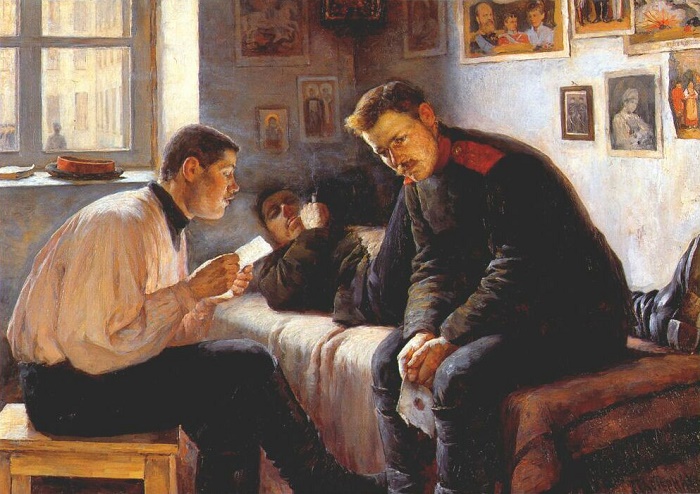
However, in 1938, he had to flee from Nazi Germany. Unfortunately, Nazis almost destroyed the entire edition of his book, which included the memories of Tolstoy. in addition, the banned his jubilee exhibition. Leonid Osipovich was going to return to Moscow, but before he decided to visit his youngest daughter Lydia, who was already living in Oxford. Because of the war, the artist had to stay in England. On May 31, 1945, he died in Oxford. May 2, 1999 in a house in the north of Oxford, where the Russian artist lived, appeared the museum of Leonid Pasternak.
Russian painter Leonid Osipovich Pasternak











sources
public groups
vk.com/public68664163 (House museum of Lermontov)
vk.com/cultrf (culture.rf)
Russian Art illustrated album. Moscow 1999