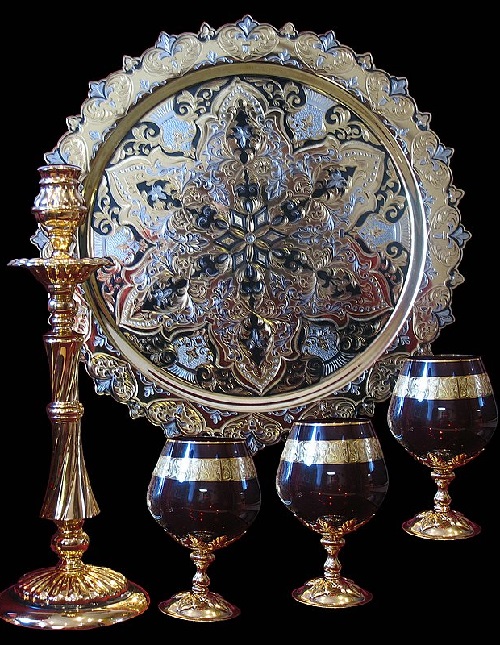
Zlatoust engraving art
Zlatoust engraving art
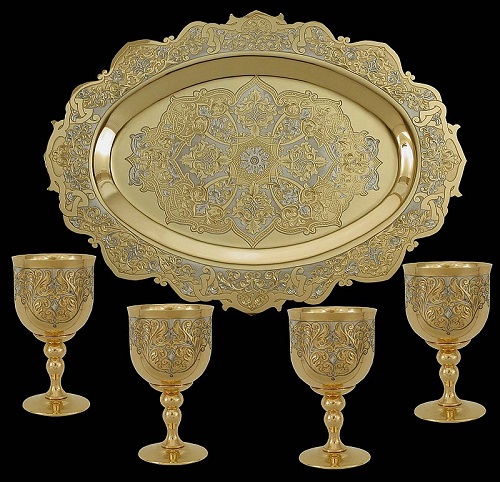
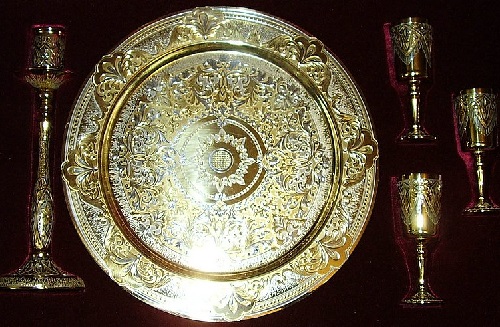
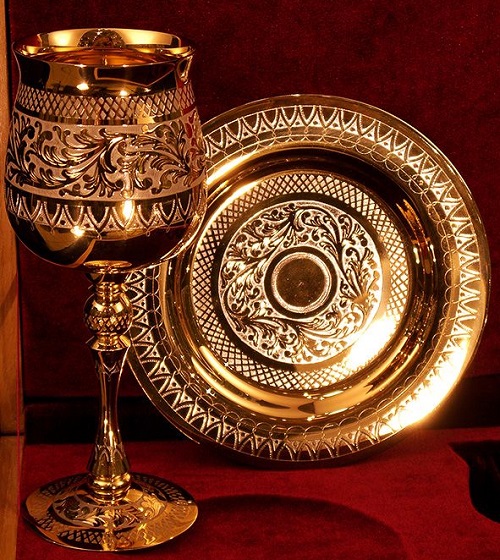
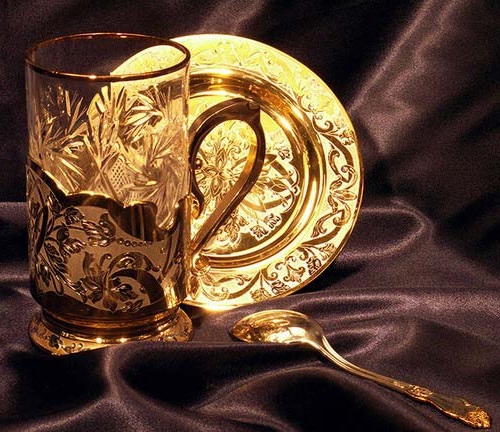
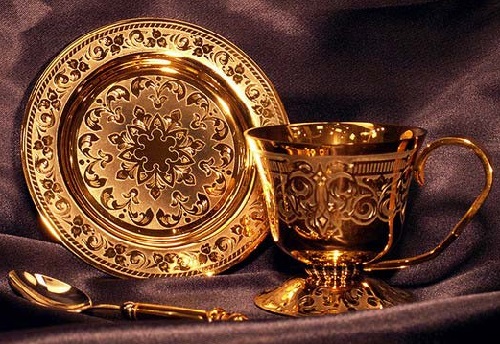
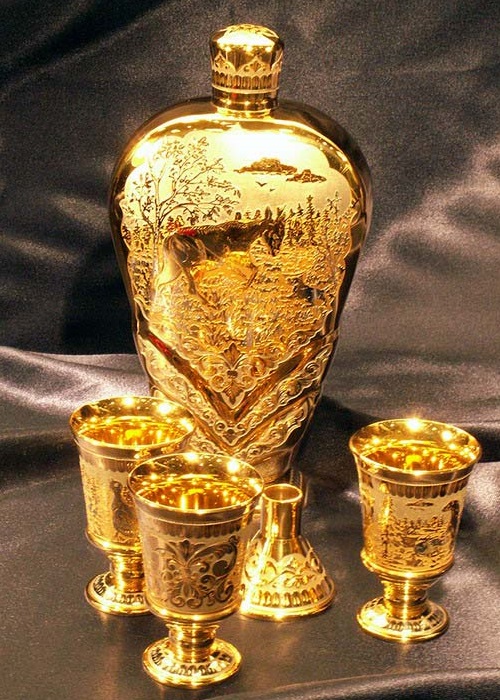
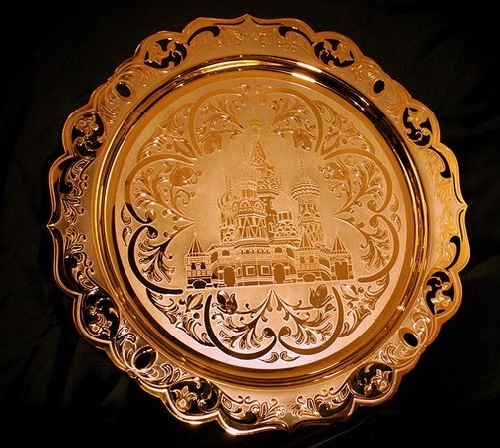
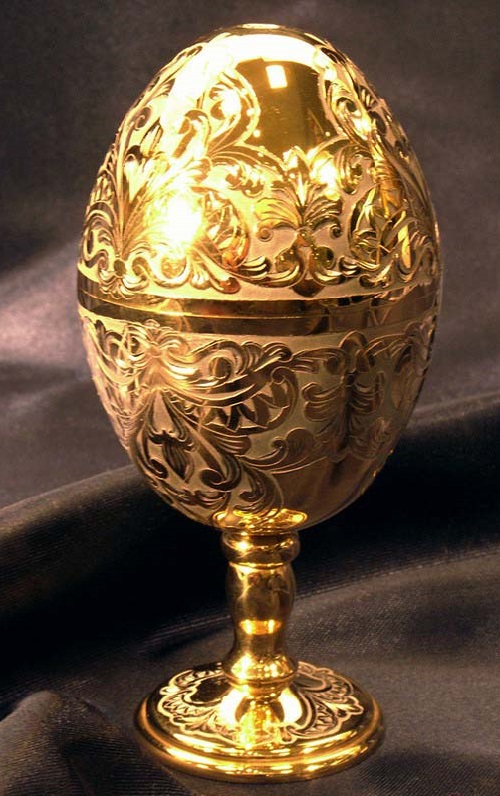
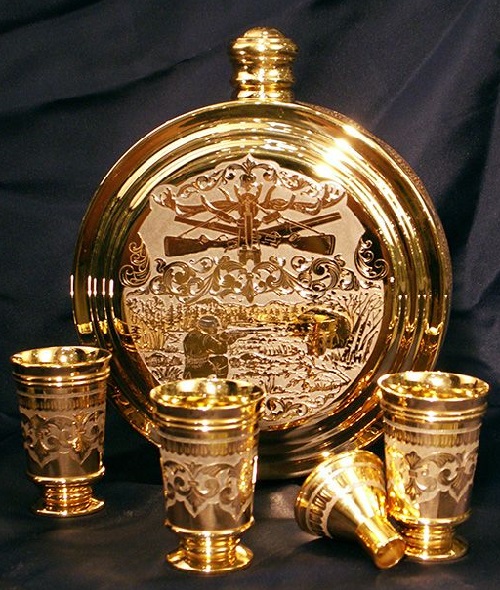
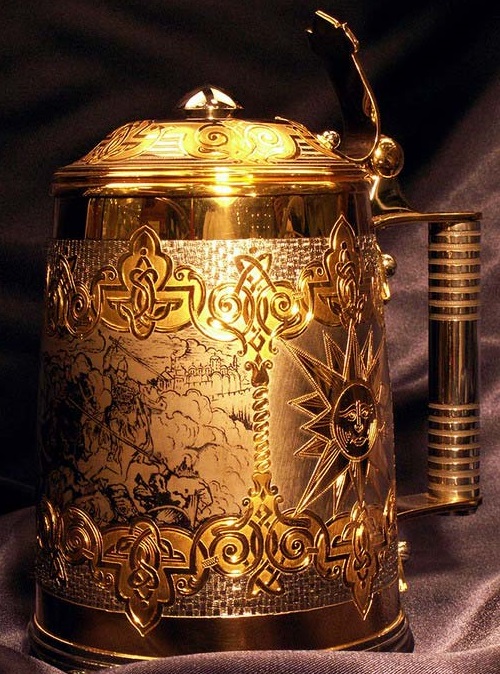
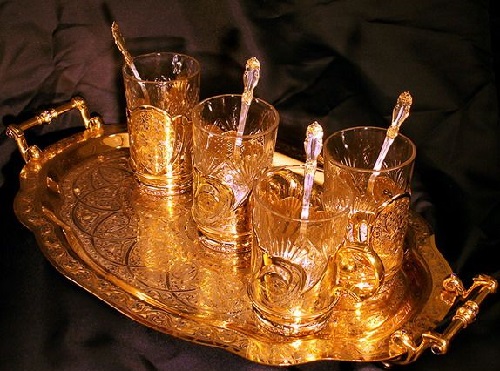
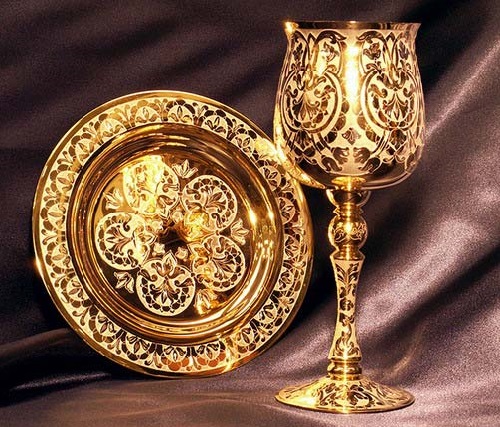
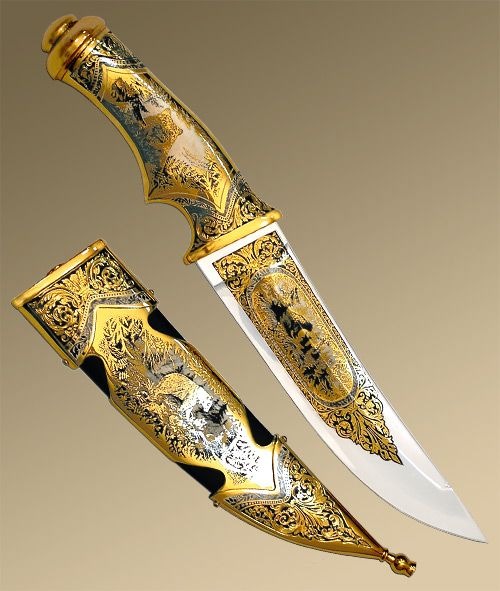
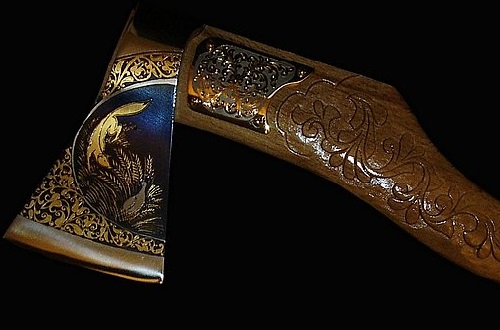
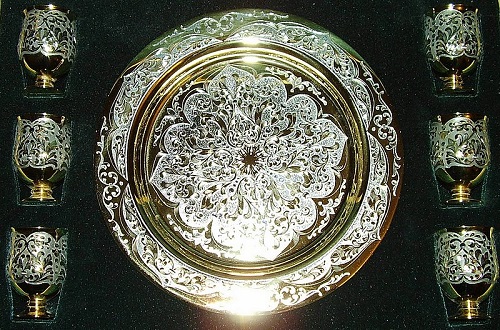
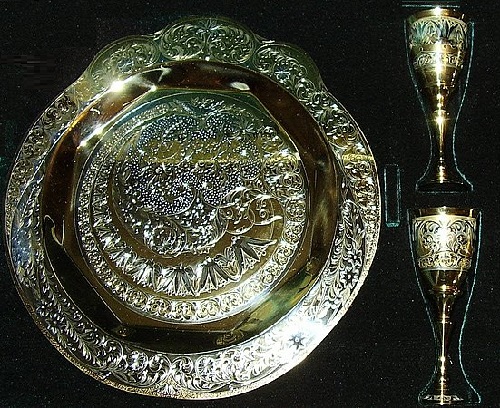
Highly exclusive, made in the technique of Zlatoust engraving art by the hands of skilled craftsmen, these products are timeless. Traditionally, masters use brass, nickel and gold, and work in the technique of multi-cycle application, artistic prints, panache brush, etching, and nickel plating.
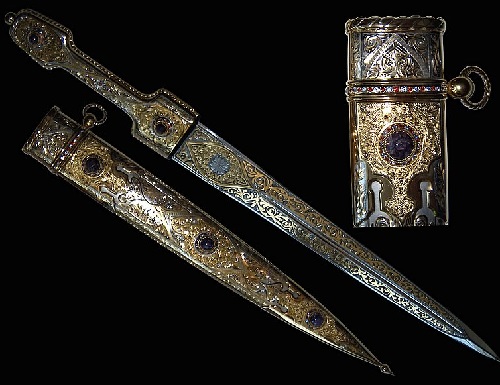
Founded in 1754, Zlatoust got its name after St. John Zlatoust. The city, surrounded by the mountains of the Southern Ural, became the place for constructing an arms factory in 1815. The factory produced a variety of types of bladed weapons (swords, sabers, swords, daggers, and knives). Meanwhile, in addition to arms, there appeared a rare art – steel engraving. And the great contribution to the development of prints made P.P. Anosov – Russian scientist and metallurgist. It was under his leadership, for the first time Russia obtained damask steel.

Artists and engravers of the new generation revive the tradition of Zlatoust steel engraving and give new life to the unique crafts. Accordingly, workshops of decorative-applied art set a goal of not only to preserve the unique original art of jewelry metal products, but also to revive the traditions of Russian weapons. In short, its purpose is to return the art of engraving – whether it is a cup or a dagger, blade of officer’s saber, or a candlestick, tray or church utensils.
According to historians, the German craftsmen brothers Shaaf started Zlatoust engraving art. Having settled in the Urals in the early 19th century, they took up the first disciples in December 1817. The brothers Schaff faithfully handed to young artists all their secrets, including the fire gilding.
In the tradition of Solingen the blade is usually decorated with two or three symbolic figures. More often to be found crossed arms, a sprig of laurel, a cornucopia. All this was rarely a single composition. And if they made such attempts, then scattered on the blade spot drawings combined in a narrow gilt frame. The technique was traditional: drawings engraved with a needle. Sometimes on the etched blade used lofty, embossed gilt.
Known since antiquity method of applying gold mixed with mercury, for example, was successfully used in the manufacture of earrings by Scythian jewelers. The separate smallest details of ornaments were not fused, as if they were glued with “gold amalgam”. Mercury was then evaporated, and the tiny golden poppy seeds, forming a pattern, “stuck” to each other. Thus, the “secret” of Schaffs is more than one thousand years.
Of course, Tula gunsmiths knew this method of applying gold on steel and even in the XVIII century applied to personal arms gold lettering. Incidentally, at the Zlatoust factory since its inception worked a lot of Tula masters, and it is possible that the fire gilding was here before the arrival of the Schaffs.
Ivan Bushuyev, one of the first students of Schaffs, began to change the technique of engraving. Instead of a needle he picked up a brush and did cinnabar pattern. After the pattern of etching becomes a relief, the rest of area of the blade has been etched. Such technique of execution is difficult to call the engraving. Bushuyev brought into it something that has no definition.
Zlatoust engraving art

Traditionally, artworks by Zlatoust artist-engravers decorated halls of the leading museums of Russia at the end of the XX century. In particular, Moscow Kremlin Armory (set of weapons), the Central Military History Museum of Artillery, the Central Naval Museum, and the Memorial Museum of the Great Patriotic war of 1941-1945, Poklonnaya Hill. The best works of the Zlatoust masters received high awards worldwide. For example, in London (1851, bronze medal, 1862 silver medal), Paris (1867, 1878, 1900, gold medal), Vienna (1873, silver medal), Copenhagen (1888, honorable mention), Chicago (1893, bronze medal), and Stockholm (1897, gold medal). Also, Omsk (1911, gold medal), Moscow (1882, gold medal), and Nizhny Novgorod (1896, gold medal).
Products by masters of Zlatoust steel engraving are in the collections of the largest museums of Russia and the world. Among them the Museum of Weapons (Germany, Solingen), London Memorial Museum of Duke of Wellington, and the Imperial War Museum (London, UK).




source blogs.privet.ru/user/glushcenko_valeriy


